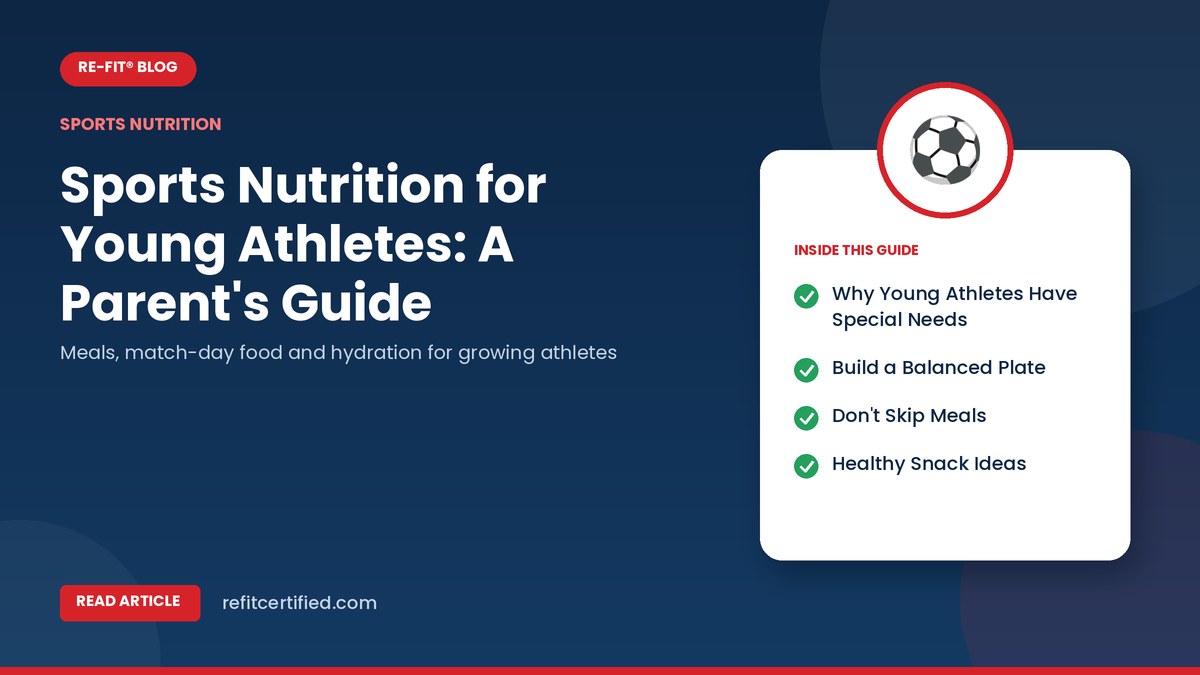
Young athletes need food not only for sport, but also for growth, school and overall health. Parents play the biggest role in building good eating habits that last a lifetime.
Why Young Athletes Have Special Needs
- They are still growing, which itself needs energy and nutrients
- Training adds extra energy and fluid needs
- Busy schedules with school, tuition and practice make regular meals harder
Build a Balanced Plate
- Half: vegetables and fruit
- A quarter: whole grains (roti, rice, millets)
- A quarter: protein (dal, paneer, eggs, chicken, fish, curd)
- Plus milk or curd for calcium
Don't Skip Meals
Three meals and two healthy snacks a day help young athletes keep energy steady. Breakfast is especially important on school and training days.
Healthy Snack Ideas
- Banana, apple or seasonal fruit
- Roasted chana or peanuts
- Curd or lassi
- Paneer or egg sandwich
- Homemade laddoo with nuts and jaggery, in moderation
Match-Day Food
- 3 to 4 hours before: a familiar, balanced meal like rice with dal and vegetables
- 1 hour before: a light snack such as a banana
- During long events: water, and fruit if there are breaks
- After: a meal with carbs and protein
Avoid trying new foods on match day.
Hydration
Children may not notice thirst during play. Send a water bottle to every practice and encourage regular sips, especially in hot weather.
Are Supplements Needed?
Most young athletes can meet their needs with a balanced diet. Protein powders and other supplements are usually unnecessary for children and teenagers unless a doctor or qualified professional recommends them.
Watch for Warning Signs
Constant tiredness, frequent illness, sudden weight changes or worry about body shape should be discussed with a doctor.
Tips for Coaches and Academies
- Hold short nutrition talks for parents
- Schedule water breaks
- Encourage healthy snacks at tournaments
Build Healthy Habits, Not Rules
Children respond better to positive habits than strict food rules. Involve them in grocery shopping and cooking, explain how food helps them run faster and recover, and avoid labelling foods as "good" or "bad".
Tournament Packing List
- Water bottle (and a spare)
- Bananas or other easy fruit
- Homemade sandwiches
- Roasted chana or peanuts
- A light, familiar lunch for long events
Sleep Matters Too
Growing athletes need plenty of sleep for recovery, learning and growth. Late-night screens and early practice can cut sleep short; a regular bedtime helps both performance and school.
Frequently Asked Questions
Should my child eat more protein for sport?
Regular meals with dal, dairy, eggs or other protein sources usually provide enough.
Are energy drinks okay for kids?
Caffeinated energy drinks are not recommended for children.
Support Young Athletes With RE-FIT
Sports academies and schools can partner with RE-FIT for structured fitness and nutrition education. Explore RE-FIT partnerships and courses.
General information only. Consult a doctor or registered dietitian for individual advice.
Recommended Resources
Continue learning with relevant RE-FIT courses, programs, and publications.