Companies invest in wellness programs to support healthier, happier and more productive teams. But how do you know if a program is working? Measuring a few simple things helps leadership see value and helps HR improve the program over time.
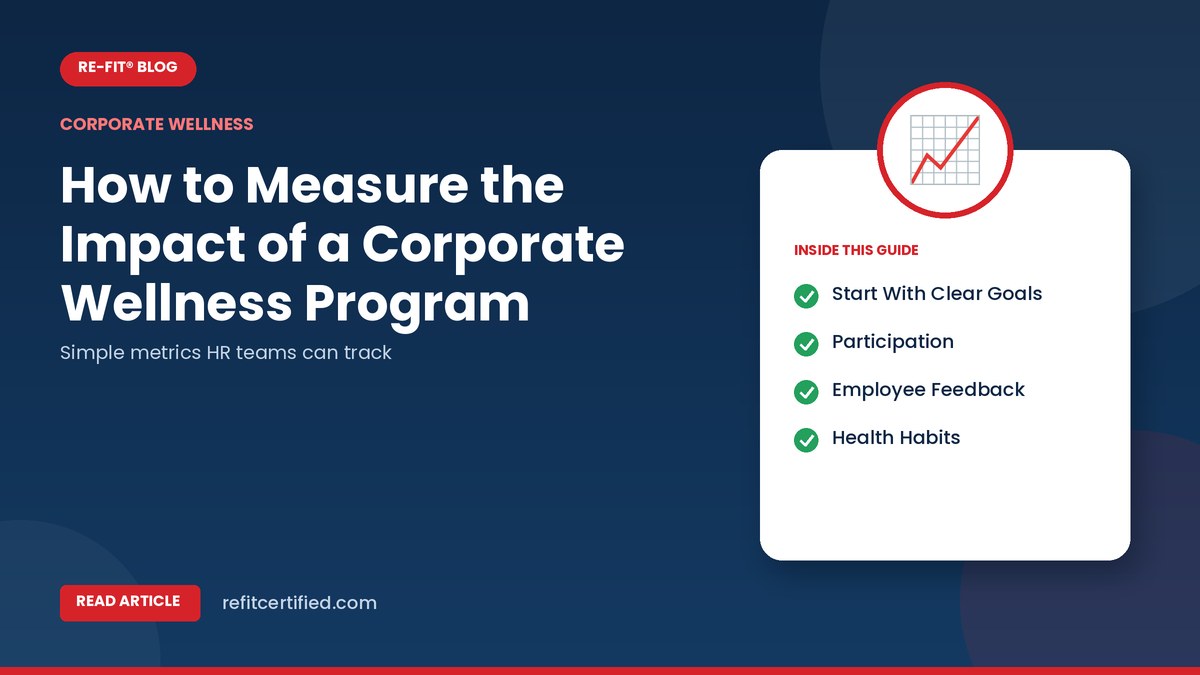
Start With Clear Goals
Decide what you want to improve, for example:
- Higher physical activity among employees
- Reduced stress and better energy
- Fewer sick days
- Stronger team engagement
1. Participation
- Number of employees joining sessions or challenges
- Repeat participation over months
- Participation across departments and locations
Low participation is a signal to change timing, format or communication.
2. Employee Feedback
Run short, anonymous surveys before the program and every quarter:
- "How would you rate your energy at work?" (1 to 5)
- "How often do you feel stressed at work?"
- "Which wellness activities do you value most?"
3. Health Habits
- Average daily steps in step challenges
- Number of employees exercising at least twice a week
- Self-reported sleep quality
4. Absenteeism
Compare sick leave trends year on year. Many factors affect this number, so look at long-term trends rather than month-to-month changes.
5. Engagement and Retention
Wellness programs can contribute to better morale. Track engagement scores and employee turnover alongside other HR data.
Keep Data Private
Use aggregated, anonymous data. Never share individual health information without consent.
Report Simply
A one-page quarterly report with participation, survey results and two or three employee stories is often more convincing than complex charts.
Example Quarterly Wellness Scorecard
| Metric | Start | After 3 months |
|---|---|---|
| Participation rate | Baseline | Compare |
| Average energy score (1–5) | Baseline | Compare |
| Employees active 2+ days/week | Baseline | Compare |
| Sick-leave trend | Baseline | Compare |
Fill in your own numbers each quarter to see the trend clearly.
Turn Data Into Action
If a department has low participation, change session timings for them. If stress scores stay high, add stress management workshops. Measurement is useful only when it leads to better decisions.
Frequently Asked Questions
How long before we see results?
Participation and feedback change quickly; habits and absenteeism trends usually take several months.
What if participation is low?
Ask employees what they want, change timings, and get leaders to join visibly.
Partner With RE-FIT Corporate Wellness
Structured, expert-led programmes make results easier to achieve and measure. Learn about RE-FIT Corporate Wellness.
Recommended Resources
Continue learning with relevant RE-FIT courses, programs, and publications.